She pushes her way out. She breaks the cage. No one opens it for her—she breaks out. Breaking out of all the constraints that are forced on you is not pretty.”
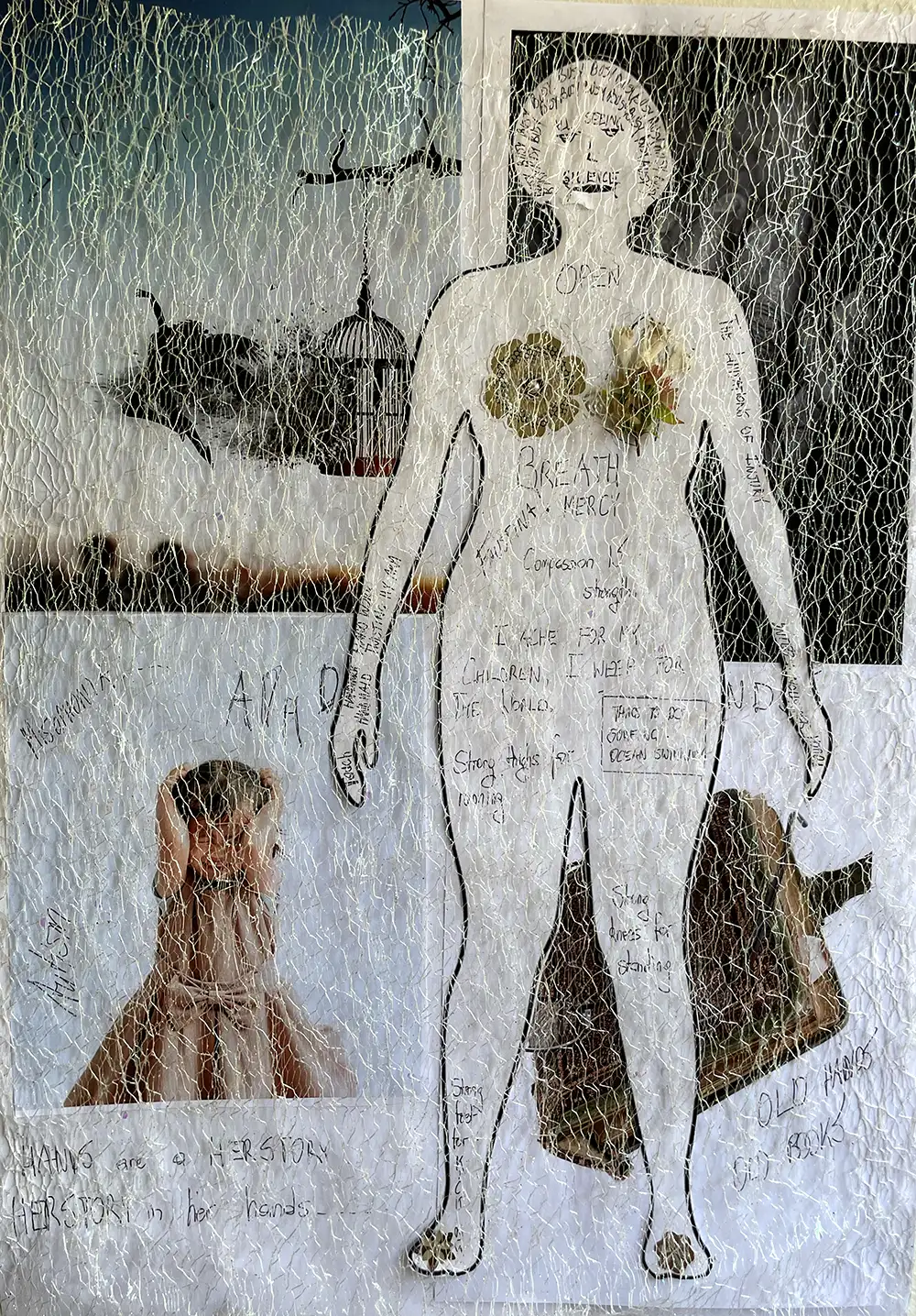
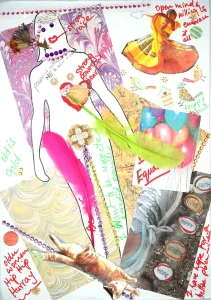
My Body Map is called The Breakout.
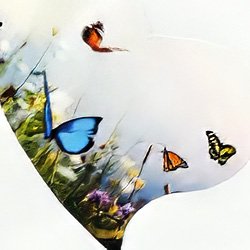
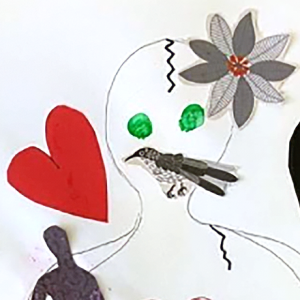
In the top left corner, there’s a birdcage with its door open — but what’s coming out isn’t pretty. We’re so often expected to be pretty, quiet, and contained. But breaking free from all that — from the mental constraints, from the expectations of others, from the rules imposed by family, society, and even ourselves — is messy. The woman in my map doesn’t wait for anyone to open the cage. She pushes her way out. She breaks it herself.
For ten years I lived with depression and anxiety before finally being diagnosed with autism. I’m Level 2, which means I’m midrange on the spectrum. I also have ADHD and Misophonia — sounds can overwhelm me.
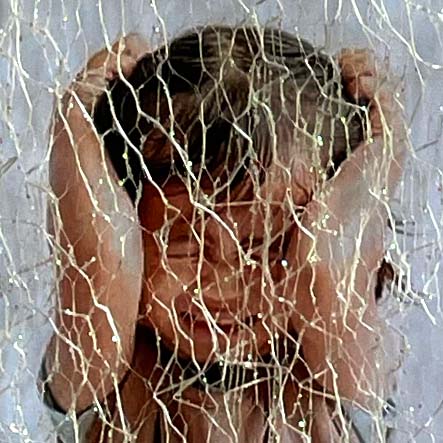
The little girl in the background of my map has her hands over her ears. That was me — the noise of the world was too much. I was the child who hid under chairs, rocking back and forth. People thought something was wrong with me. I was confused and lost. My mother died when I was nineteen, and as a child I had no one to help me understand myself or the world.
I’ve carried a lot of trauma. I was an orphan. It’s strange how differently people treat different kinds of loss. When someone loses a child, no one tells them to go foster a new one. But when you lose a parent, people tell you to “volunteer somewhere.” As if that can fill the hole.
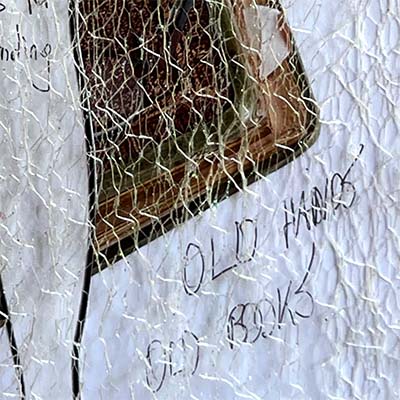
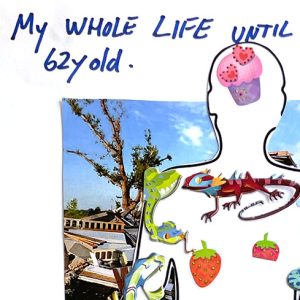
In the background of my map there’s also a photograph of a book with old hands and a pair of glasses. To me, old books and old hands hold wisdom — stories that are hidden or lost. These are the stories of women who have always found ways to break free from their cages.
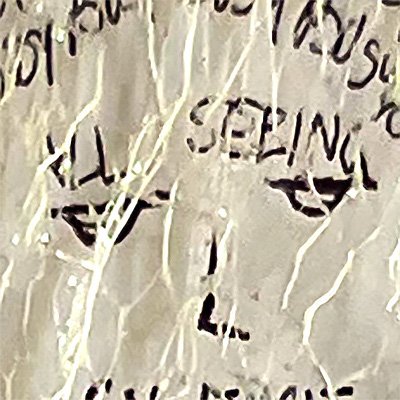
My body is a working body. It doesn’t show trauma — except in the silence that was forced upon me. For much of my life, I believed there was no point in speaking. I wanted to be invisible. Women who speak are called abrasive. Men who do the same are called assertive. When you’re told often enough that your voice doesn’t matter, you learn to stay quiet.
I wrote “all-seeing” on my map because when you’re silent, you notice everything. I see how the world moves — like the fool on the hill, watching it all, wondering how much time people waste.
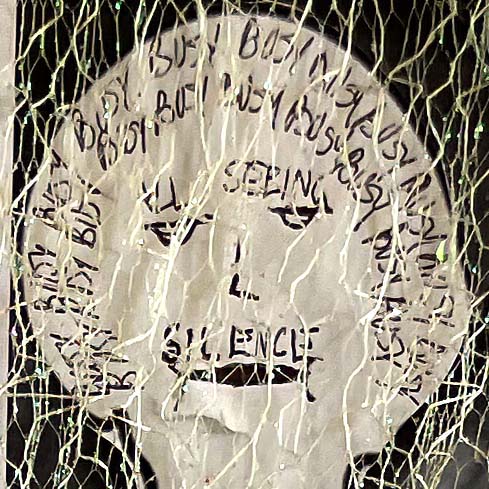
On my head I drew words spilling everywhere. That’s my ADHD brain — fast, chaotic, always making connections. My thoughts don’t stop. It can be exhausting. I wrote the word “open” too, because staying open has been vital for me. For years, anxiety made me hold my breath. Now I remind myself to breathe — deep, down to my lungs. When I’m anxious, my throat tightens, but as long as I can breathe, I can survive.
I think of my body as strong and capable. My lungs, my legs — they’re working parts. I’ve started learning to surf. It’s exhilarating. We should be encouraged to try new things at any age. Women deserve opportunities to explore, to learn, to play.
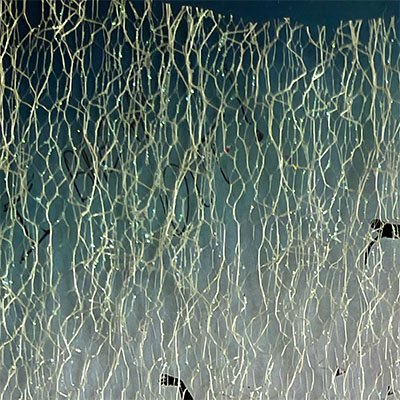
Over my map, I laid a veil — a soft, sheer layer that makes things partly visible. The veil represents how women are still expected to soften their truth, to speak carefully, to make their voices less confronting. Even when we’re invited to speak, it often has to be behind a veil. Real change will come only when we are fully visible.
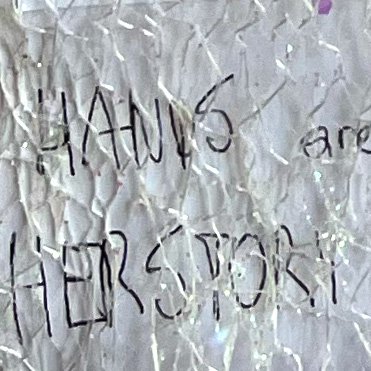
My hands tell my story. I believe hands hold the truth of a life — you can tell from them whether someone has had an easy life or a hard one. Mine are the hands of a musician, a maker. Everything important is in the hands.
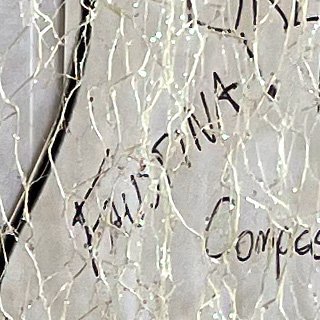
On my map I also wrote “Faustina” — after Saint Faustina, the “Secretary of Divine Mercy.” Compassion is strength, but mercy goes further. It’s compassion in action. It’s forgiveness, for others and for ourselves. Faustina’s message was that you don’t have to hold on to the things that hurt you. Mercy allows you to move through pain without being consumed by it.
After sixty, life became more constrained. Social interactions were exhausting. I appeared functional, but I wasn’t. Relationships were hard to maintain. I went through early menopause and had no idea what was happening to my body or mind. I could do a whole Body Map on menopause alone — the depression, the confusion, the feeling that it was the “last spring” of my life. I got no sympathy. The myths around menopause are cruel. No one talks about how it feels to lose that part of yourself.
There are so many older women like me — autistic, isolated, written off. We become invisible. I was sitting at home, waiting to die. Getting assessed helped me understand myself. With the right tools and a psychologist who truly listened, I began to cope.
I’ve had relationships with both men and women. I think most people are born capable of loving anyone. My gender doesn’t define me — but it shapes how the world treats me.
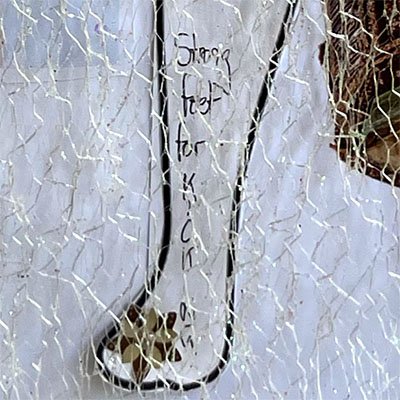
My Body Map shows strong feet — for kicking, for defence, for strength. When I go out alone, I sometimes feel vulnerable. That’s part of why I’m building physical strength. There’s research showing that predators can identify vulnerability just by watching how a woman walks. It’s frightening. I was seriously assaulted as a teenager — I nearly died. That’s why I’m determined to be strong. I want to stand firmly in my own body again.
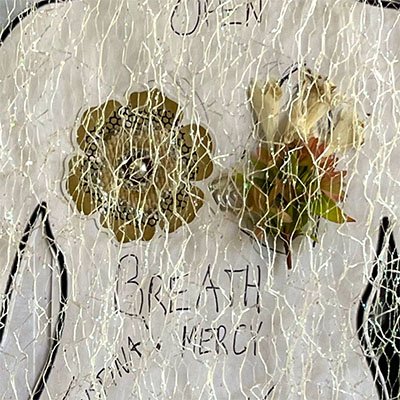
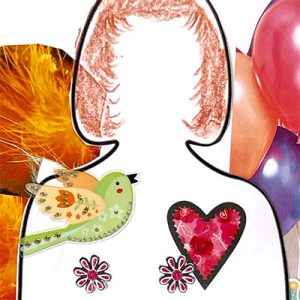
I used leaves and foliage to represent my lungs. Lungs are life. They’re what let us breathe in fresh air and stay alive.
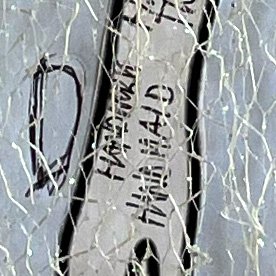
I wrote “Hand Maid” on my map. Women have always been seen as handmaidens — helpers, servers — but our hands are also the tools through which we create, heal, and connect. “Twist my arm” is another phrase I included, because so many of us have been twisted or grabbed against our will. Our arms can be vulnerable, but they are also powerful. Every injury, visible or invisible, leaves a mark. These marks tell stories about survival.
Now I believe that life is meant to be enjoyed. Older women shouldn’t have to stay home, trapped or afraid. We should be out in the world, doing new things, staying strong.
There are millions of women in Australia who have lived through trauma and who feel unseen. When the children grow up and move on, many women are left without anyone holding space for them. They want to participate in life, but fear, uncertainty, and lack of resources hold them back.
If I could give advice to service providers, I’d say: stop assuming older women should accept whatever’s offered and be grateful. In social housing, for instance, the options are often high-density and unsafe, with no privacy. That’s not dignity. Listen to us. Stop saying “it’s just part of ageing.”
We have to learn what our needs are — we’re not born knowing them. We’ve been taught to accept what’s given. Service providers need to think beyond the usual boxes, to understand our sensitivities and differences. GPs especially could do more — not just about medical issues but about wellbeing, fitness, and connection.
I don’t want to be dismissed because I’m older, autistic, or a woman. I’ve broken out of the cage. I’ve taken my breath. And I’m learning to live, fully, in my own body.
See more Body Maps
Support the Work of the Older Women's Network.
Join. Amplify. Transform.